

 See My Latest Article on HelloNation
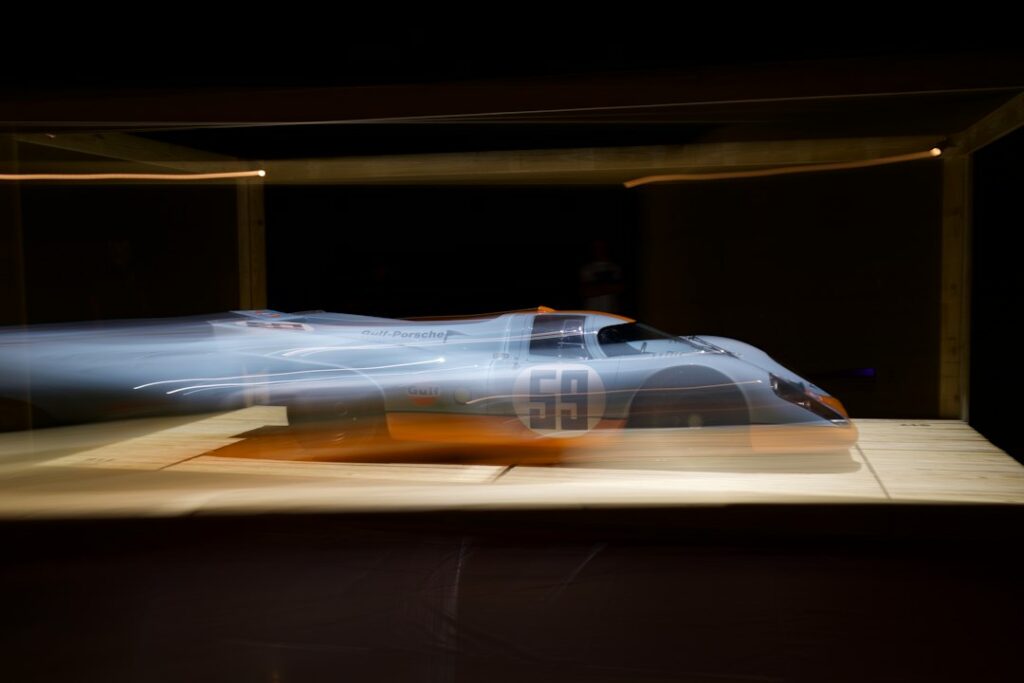
What does aerodynamics do for a Supercar?
Aerodynamics determines how air moves around a Supercar and how that airflow affects grip, stability, acceleration, braking, and efficiency. At high speeds, air is not simply something the vehicle passes through; it becomes a major force acting on the body, tires, suspension, and cooling systems.
A well-designed aerodynamic package helps a Supercar stay composed by managing two competing effects:
- Downforce: Air pressure and airflow create a force that presses the vehicle toward the road.
- Drag: Air resistance opposes forward motion and reduces efficiency and top-speed potential.
The goal is not to create the most downforce possible. The goal is to produce the right balance of downforce and drag for the vehicle’s intended use.
How does downforce improve grip?
Downforce increases the load pressing the tires against the road without adding extra weight to the vehicle. This can improve the tires’ ability to transmit braking, cornering, and acceleration forces.
For example, a Supercar traveling through a fast bend may generate enough aerodynamic load to remain more stable and responsive than the same vehicle would be at low speed. The tires can produce more grip because the airflow is helping keep the vehicle planted.
Downforce is especially useful during:
- High-speed cornering
- Hard braking from elevated speeds
- Rapid changes of direction
- Acceleration where rear-tire traction is limited
Aerodynamic grip differs from mechanical grip. Mechanical grip comes from the tires, suspension, alignment, springs, dampers, and anti-roll systems. Aerodynamic grip becomes stronger as speed increases, while mechanical grip is available even when the vehicle is moving slowly.
That difference explains why a vehicle can feel manageable in a low-speed turn but become dramatically more stable once traveling fast enough for its aerodynamic surfaces to work effectively.
What are splitters, wings, diffusers, and vents designed to do?
Each aerodynamic component influences airflow in a different way.
A front splitter extends the lower front edge of the body. It helps reduce the amount of high-pressure air building beneath the nose and can create additional front-end downforce. This gives the front tires more authority during turn-in and cornering.
A rear wing uses airflow to create downward force at the back of the vehicle. More rear downforce can improve stability during braking and high-speed cornering, although it may also increase drag.
A diffuser is shaped to help air leave the underside of the vehicle smoothly. The underbody often contains carefully designed channels that accelerate airflow. The diffuser allows that air to expand as it exits, contributing to lower pressure beneath the vehicle and increasing the suction effect.
Air curtains, fender vents, and side openings manage turbulent air around the wheels and body sides. Rotating tires create considerable turbulence, so directing air around them can reduce drag and improve stability.
Cooling ducts are aerodynamic components as well. Openings may feed air to the engine, brakes, transmission, or radiators. Their size and placement affect both thermal management and drag.
Why does aerodynamic balance matter more than maximum downforce?
A Supercar must maintain a predictable relationship between front and rear grip. If the front produces much more aerodynamic grip than the rear, the vehicle may feel responsive initially but become unstable as speed rises. If the rear produces substantially more, the vehicle may feel secure but resist turning.
Engineers describe this relationship as aerodynamic balance. The balance can shift under braking, acceleration, steering input, crosswinds, and changes in ride height.
Active aerodynamic systems adjust components while the vehicle is moving. A wing may change angle, a flap may open, or a panel may redirect airflow depending on speed and driving conditions. These adjustments can reduce drag on a straight section and increase downforce during braking or cornering.
A fixed aerodynamic package is simpler and more consistent, but it must compromise between different driving situations. Active systems provide greater flexibility but add complexity and require carefully controlled software and hardware.
Can aerodynamic parts affect everyday driving?
Yes. Aerodynamic components can influence a vehicle at ordinary road speeds, although their effects are usually much smaller than they are on a racetrack.
Large splitters and low front surfaces may be vulnerable to steep driveways, abrupt transitions, uneven pavement, and parking structures. In a dense coastal community such as Costa Mesa, CA, drivers may encounter frequent low-speed transitions between streets, driveways, ramps, and commercial parking areas. A component designed to work close to the ground can be affected by these changes in elevation.
Aerodynamic parts can also change:
- Ground clearance
- Visibility near the front corners
- Exposure to road debris
- Wind sensitivity
- Tire wear patterns
- Brake and engine cooling behavior

A lower vehicle is not automatically more aerodynamic. If the underbody becomes too close to the road, airflow can separate or become turbulent. The result may be less predictable handling rather than better performance.
Do spoilers always make a car faster?
No. A spoiler or wing can improve stability and cornering grip while reducing top speed through added drag. Whether it makes the vehicle faster depends on the road, speed range, and type of driving.
On a track with repeated corners, extra downforce may reduce lap time even if straight-line speed falls slightly. On a long, open road, reduced drag may matter more than additional cornering force.
A small lip spoiler may be intended primarily to control airflow separation and improve stability. A large adjustable wing typically produces a more noticeable aerodynamic effect, but it also demands careful setup. Changing wing angle without considering the rest of the vehicle can upset the front-to-rear balance.
How do wind and weather influence aerodynamic behavior?
Crosswinds can affect any high-performance vehicle, especially one with large aerodynamic surfaces. A side gust changes the direction of airflow and may create uneven forces across the body. The driver may notice a light steering correction or a change in stability.
Coastal air can also bring moisture and airborne salt, which may contribute to corrosion on exposed hardware over time if a vehicle is not maintained properly. Rain creates another challenge: water changes the surface conditions beneath the tires, while standing water can reduce grip regardless of how much downforce the vehicle generates.
Downforce does not eliminate hydroplaning. If the tires cannot displace water effectively, aerodynamic load cannot fully restore traction. Tire condition, tread depth, pressure, and speed remain critical.
What aerodynamic misconceptions should drivers avoid?
Several common assumptions are misleading:
- More downforce is always better: Excessive downforce can create drag and may produce an unbalanced vehicle.
- A low ride height guarantees better performance: Airflow can become unstable if the vehicle is too close to the ground.
- A wing only affects the rear: Changes at the rear can influence the vehicle’s overall balance and steering behavior.
- Aerodynamics replaces good tires: Downforce can increase available grip, but worn or unsuitable tires remain a major limitation.
- Road cars perform like race cars: Street vehicles must account for comfort, bumps, debris, weather, noise, cooling, and legal equipment.
What should Costa Mesa drivers understand about aerodynamic modifications?
Aerodynamic modifications should be evaluated as part of the entire vehicle rather than as isolated accessories. A front splitter, rear wing, ride-height change, diffuser, or vent can alter airflow in ways that are difficult to judge visually.
For road use, practical concerns include clearance, secure mounting, visibility, noise, weather exposure, and compatibility with the vehicle’s electronic stability systems. Poorly fitted parts can detach, scrape, trap debris, or create unpredictable handling.
The most useful question is not whether a component looks aggressive. It is whether the part produces measurable, balanced, and repeatable aerodynamic behavior within the speeds and conditions where the vehicle is actually driven.